

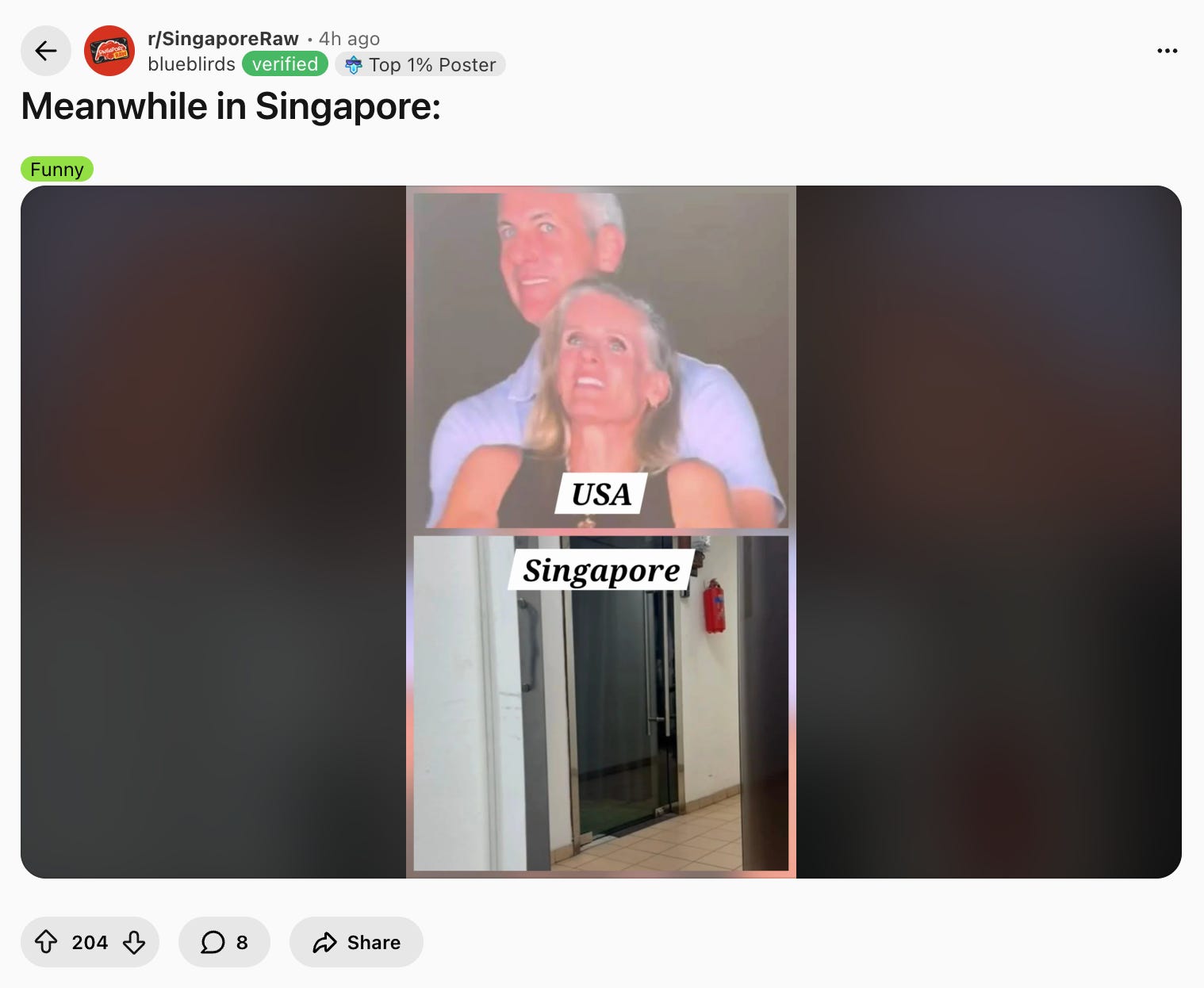
If you haven’t heard of Singapore’s latest influencer scandal, that’s probably because you’re not spending time on the HardwareZone forum or Reddit.
Realtor Melvin Lim was filmed coming out of an office with influencer (and employee) Grayce Tan, by folks who appear to be their next-door office neighbours. Both of them are married to other people.
What makes it all the more mortifying is that the previous five minutes of said video depicted pretty awkward sounds coming out of that office.
This scandal has all the ingredients for snark:
Melvin’s company slogan is Real Estate with Integrity. ✓
He is also outspokenly Christian, having been featured on local Christian blog Salt & Light, which appears to be scrubbing all online traces of Melvin from their website. ✓
Notably, this was the same blog that issued an apology in 2023 for scrubbing its website of articles featuring then-speaker of parliament Tan Chuan Jin after his cheating scandal and resignation – immediately causing users to draw parallels. ✓
They were caught in the crosshairs of Singaporeans’ well-documented tendency toward voyeuristic filming. Redditors spilling the tea claim that the video has been circulating among property agent WhatsApp groups. ✓
It’s a workplace affair between a boss and their subordinate. ✓
They have generated an enormous amount of social media content, documenting everything from their marriages to their holidays, for people to scrutinise. ✓
All of this coalesces into a cheating scandal that everyone – from conservatives to progressives, atheist or religious, incels or otherwise – can dunk on.
We used to have to wait for tabloids to gather all of this information in one place, but now, we have Reddit.
Singapore’s tea-spilling communities
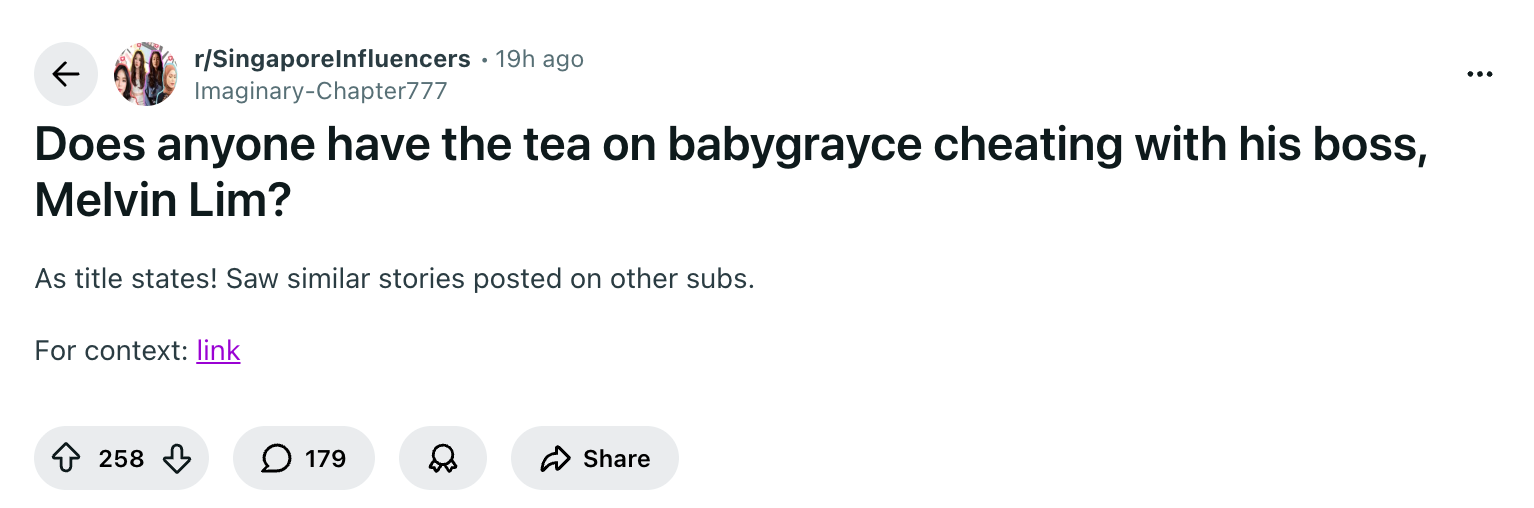
Here’s how it was discussed on Reddit community r/SingaporeInfluencers.
On January 25, a user noticed speculation on another subreddit that Melvin Lim and Grayce Tan were cheating on their partners with each other, and asked for the tea (gossip).
In response, users began trawling through the pair’s online presence, pulling up pictures from recent holidays, recent wedding details, and even pictures of Grayce’s husband.
One user began pointing others toward the aforementioned video. Another pointed out that Salt & Light had scrubbed its webpages of Melvin Lim.
Even an alleged WhatsApp message from Melvin was posted on the subreddit.
Tea-spilling and snark communities exist everywhere, and Singapore is no exception. While tea-sharing refers broadly to all manner of gossip, snark communities focus on taking down celebrities and influencers.
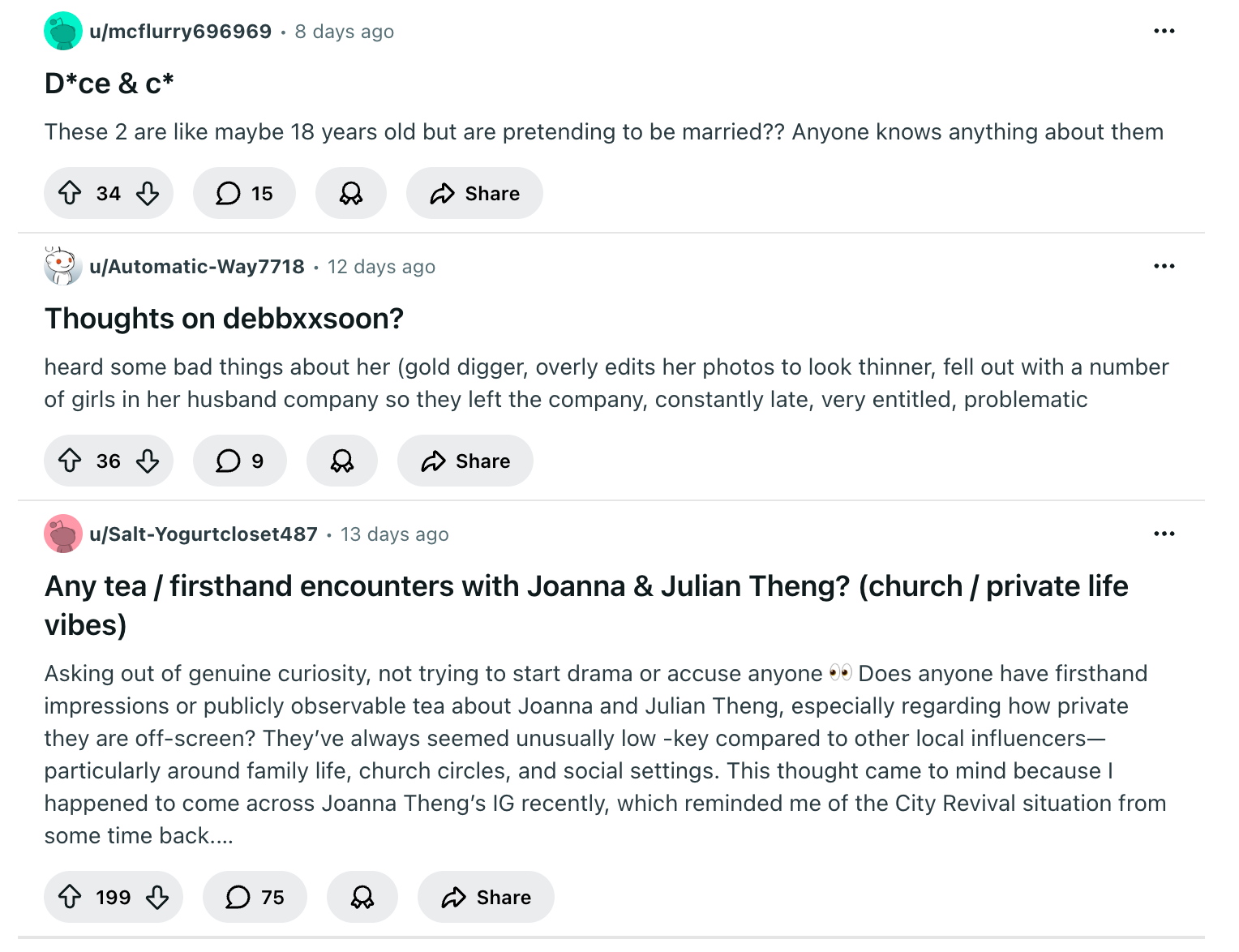
Though it describes itself as “a real look at Singapore’s influencer culture”, most of the recent posts on r/SingaporeInfluencers have been requests for tea about an influencer, or calling out a particular influencer for their behaviour.
This is not Singapore’s only tea-sharing community. A Telegram group chat and Google spreadsheet titled Dating Guide SG was started by women to warn each other about men in the dating scene in 2021, but was deleted soon after due to backlash.
Snark as more than entertainment
Part of why tea-sharing and snark is thriving online is because gossip serves a social function.
Some psychologists argue that it is a useful form of social bonding, helping communities to enforce norms, build trust within groups, while casting out bad actors. A study recently used game theory to explain how gossip may arise as a strategy to encourage cooperative over selfish behaviours because of concern over one’s reputation.
Although gossip is often described in feminine or subversive terms (the slang phrase “spill the tea” originates from queer black culture), it is a universal experience. Anyone who’s worked in any kind of mostly-male environment (like national service) could tell you that.
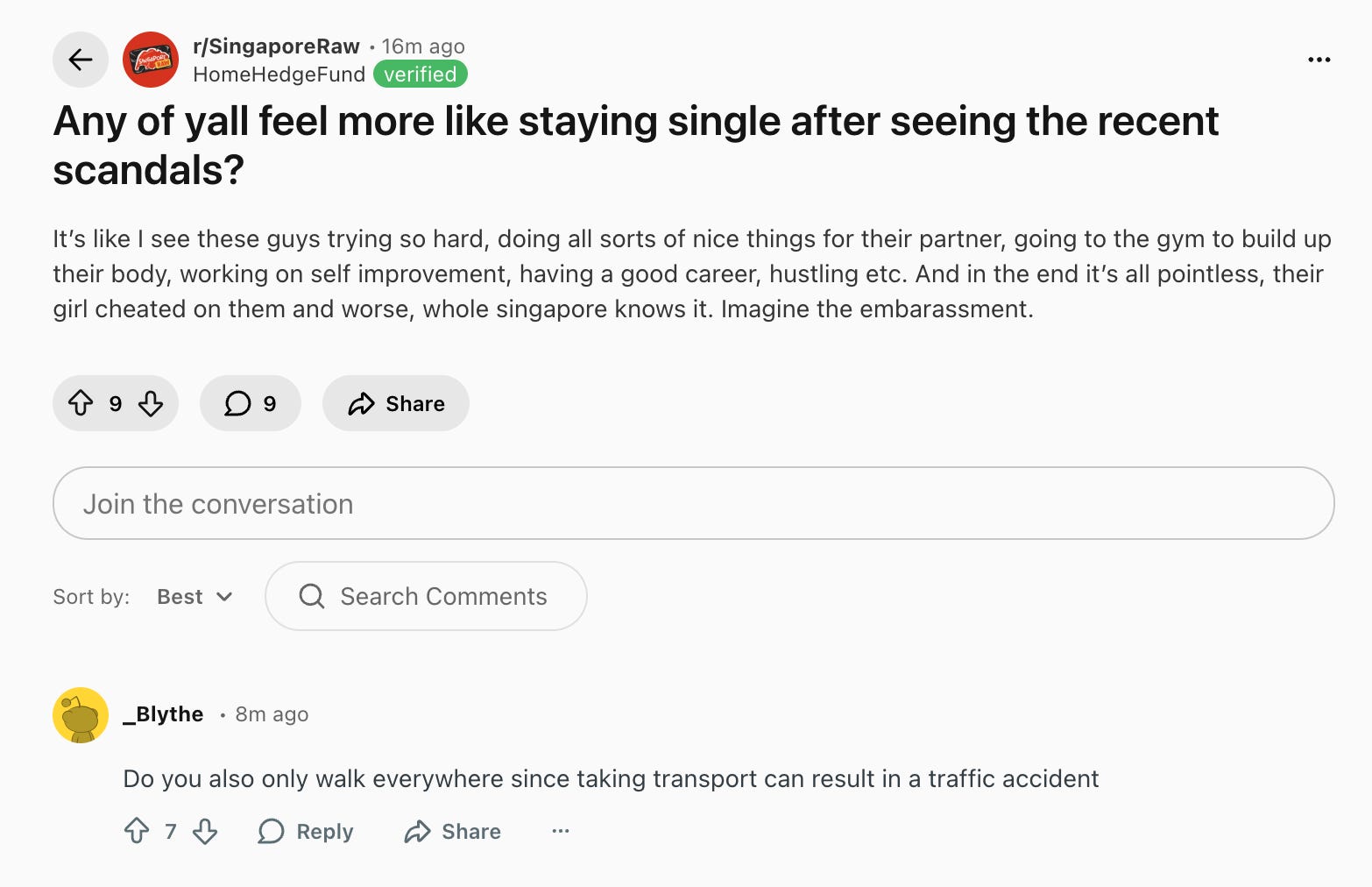
Add to this our well-documented tendency to project our personal feelings and anxieties onto celebrity behaviour, and you end up with fertile ground for collective gossip and psychoanalysis.
(As an aside, I really enjoyed reading this Tell the Bees essay about celebrity cheating scandals and how it lets people perform their morality and feel righteous — and why some celebrities recover from their cheating scandals while others do not.)
Snark communities are pretty Reddit-centric. Few other social media platforms allow communities to form and continuously discuss topics in the same way.
Most of these snark subreddits are focused on criticising broad swathes of celebrities or influencers, but some public figures have their own dedicated subreddits. See r/travisandtaylor, the snark subreddit dedicated to Taylor Swift for one example.
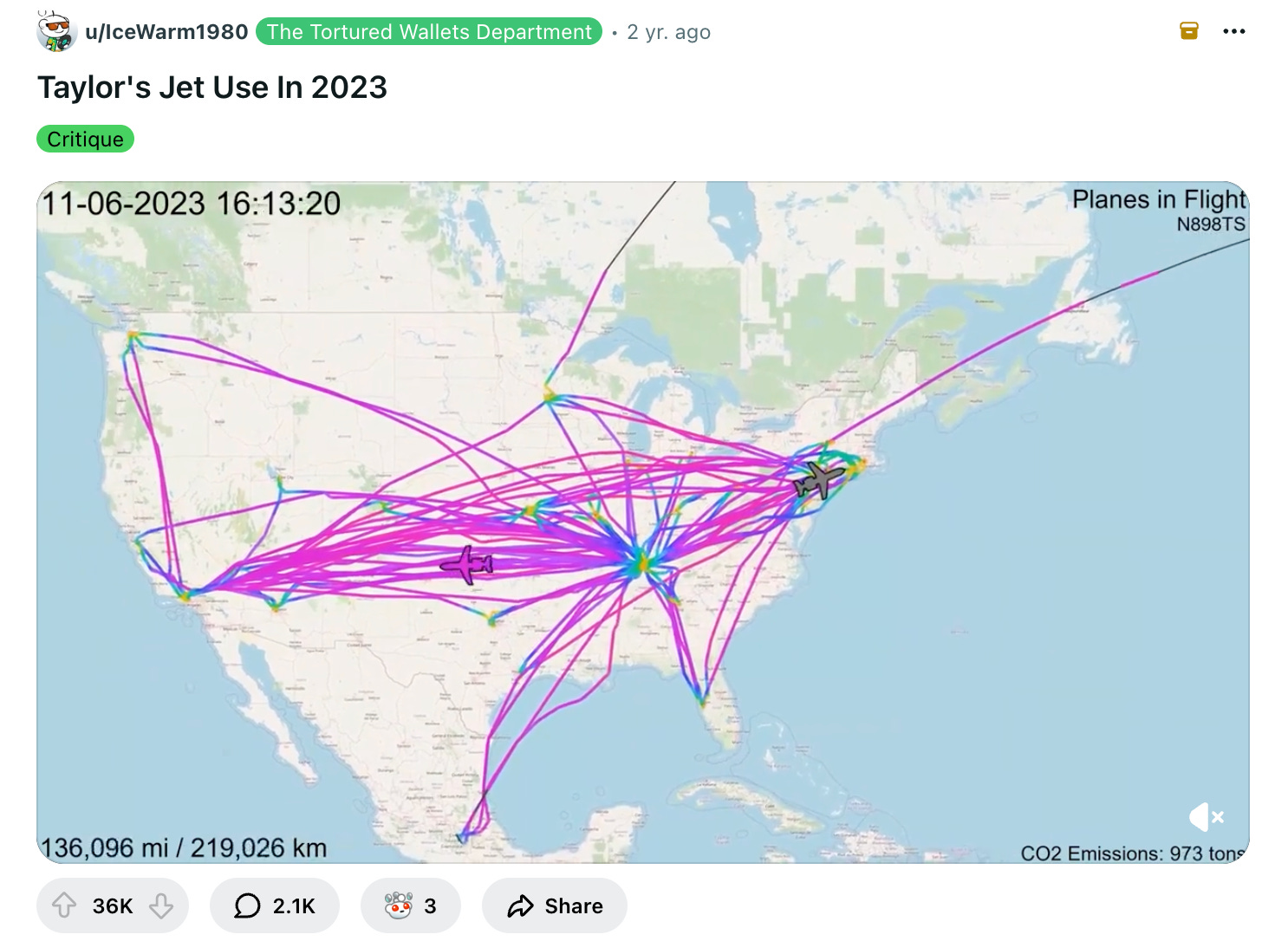
But here’s where we get into some murky territory.
While some of these subreddits have drawn fans because of how they peel back the artifice of celebrity culture and call out bad behaviour, they have also come under fire for cyberbullying. Often, the desire to dish dirt on a celebrity translates to ritualised mass body shaming.
And Reddit isn’t the only mode through which snark, tea and drama disseminate.
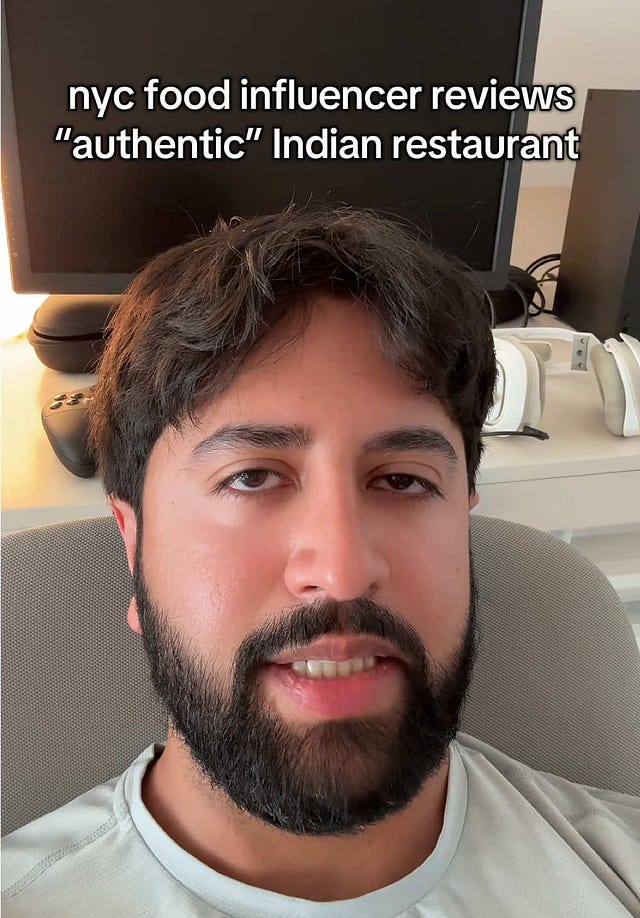
YouTube is home to many creators whose bread and butter is breaking down incredibly specific drama between niche content creators. One of my favourite TikTokers, daadisnacks, creates an endless stream of content making fun of how out of touch influencers are:
 Tiktok failed to load.
Enable 3rd party cookies or use another browser
I’d be willing to bet that over the course of the week, some of Singapore’s podcasters will be discussing this Melvin Lim and Grayce Tan cheating scandal in depth, breaking it down point by point for their listeners.
Celebrity gossip as entertainment isn’t new, but what is new is that the internet has democratised the who and what of tabloid journalism. As Feven Merid, writing for the Columbia Journalism Review, puts it:
At a time when the influencer economy is booming, snark subreddits are often the only places taking a close inspection of how the industry and its most successful figures operate. (…)
In doing all this, Redditors are playing a role that mainstream journalists so far haven’t been able, or willing, to. Even though internet culture has become well defined as a beat, the day-to-day habits of influencers don’t garner much attention.
At the same time, Feven cautions that snark communities’ debates often centre superficial and mean-spirited critiques.
One need only look at r/SingaporeInfluencers, where users are comparing Melvin’s appearance to that of Grayce’s husband.
One user writes: “Knn her husband is 10x better looking than this Melvin guy but I guess with money you can get anything.”