

Why do Western creators so frequently look at Asian cities and think: yes, this is exactly what I imagine my future sci-fi dystopia should look like?
While this form of lazy worldbuilding has a long lineage, the latest victim of techno-orientalism is Alien: Earth (2025), the first TV series in the Alien franchise, which was partly filmed in Thailand.
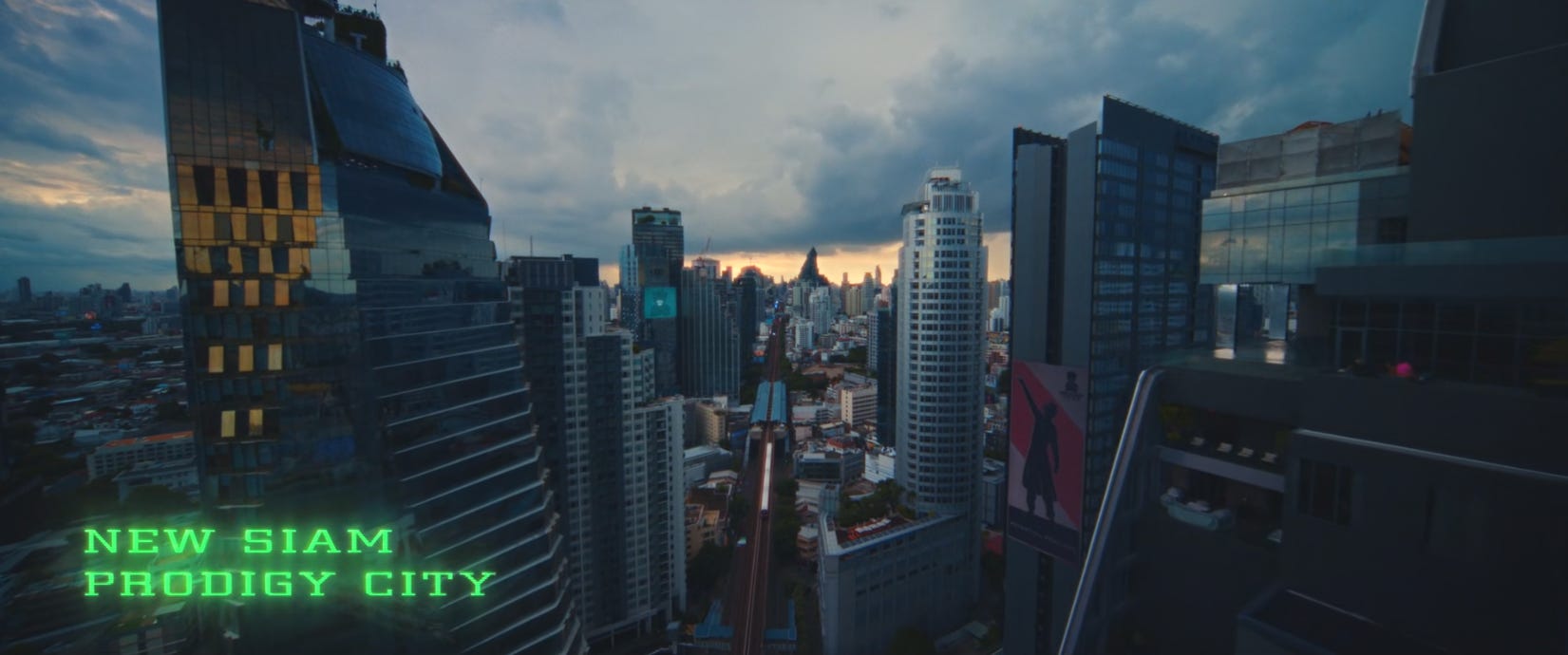
Two years before the events of the original film, much of Alien: Earth’s story unfolds in “New Siam” of 2120, a territory governed by one of five megacorporations that have become the de facto rulers of Earth.
However, this depiction of a futuristic Thailand is a jarring disconnect from the retrofuturist and analogue tech that defined the early films of the franchise. Alien’s (1979) setting was the Nostromo, a cramped, utilitarian and industrial spaceship that feels lived-in.
In contrast, New Siam seems like a mostly unchanged Bangkok of today, despite being intended to depict a future nearly a hundred years from today. The main changes appear to be some added wiring and corporate logos emblazoned on buildings.
For a series that has often been about how humans – not the xenomorphs – are the true evil, this is pretty unimaginative worldbuilding. Worse still, this laziness runs deeper than half-hearted production design.
For the first time, the series introduces us to the Yutani half of the mysterious Weyland-Yutani corporation that has long lingered menacingly in the backdrop of the franchise as an allegory for human greed.
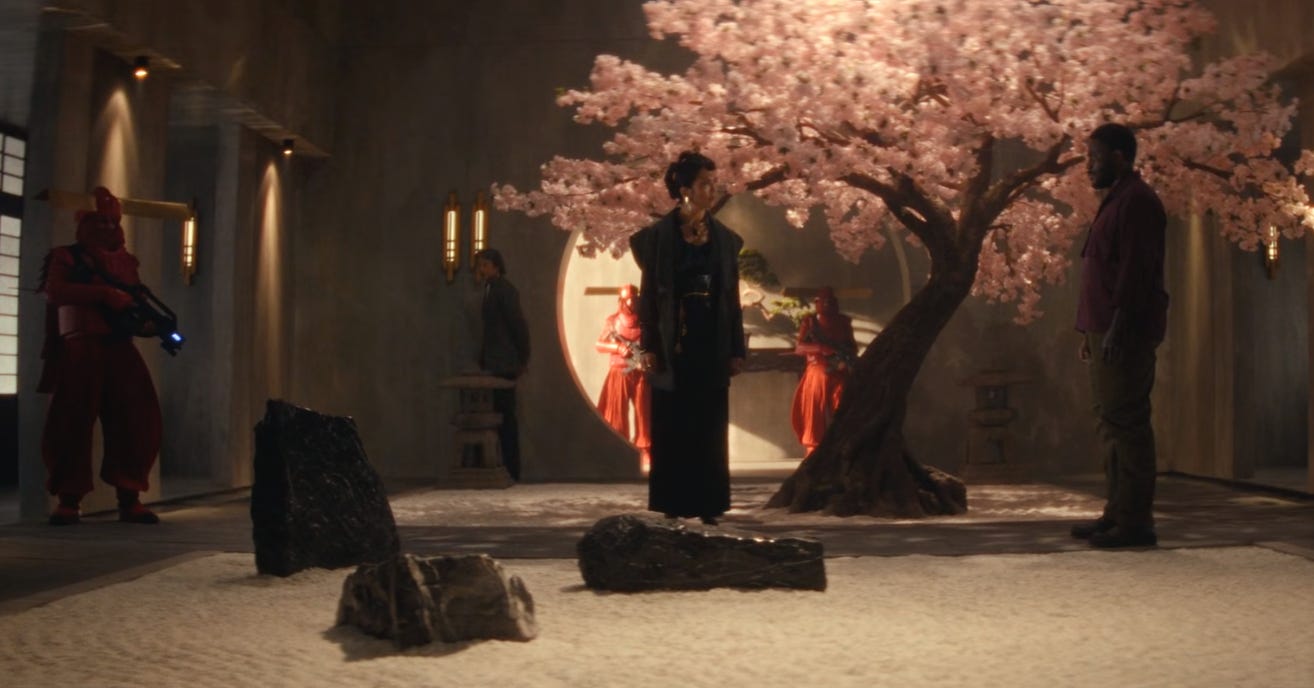
Yutani (no first name), the megacorp’s CEO, is draped in an aesthetic that really wants you to know she’s Japanese, complete with cherry blossoms, ornate period wear, and a vaguely oriental score that punctuates her scenes. While the Alien prequel film Prometheus (2012) explored the motivations of the Weyland half of Weyland-Yutani, Yutani has no such interiority and is no more than a side character whose purpose in the show appears to be a justification for visual spectacle.
In Alien: Earth, Asia largely exists as an aesthetic – with Asian cities and bodies presented without much inner life or coherence – peripheral to the story it is trying to tell.
Present-day Asia as future Western dystopias
If orientalism describes Asia through a stereotypical lens, often embodied in the exotic, the mystical, and otherness, “techno-orientalism” could be understood as one particular way that it manifests. Culture critics and academics use the term to describe when works fetishise Asian-ness as something innately technological, alien, or futuristic. (Check out this volume of essays – and its subsequent volume – for a fantastic overview)
Seen through this lens, Alien: Earth’s portrayal of present-day Thailand as a dystopian distant future is not without precedent.
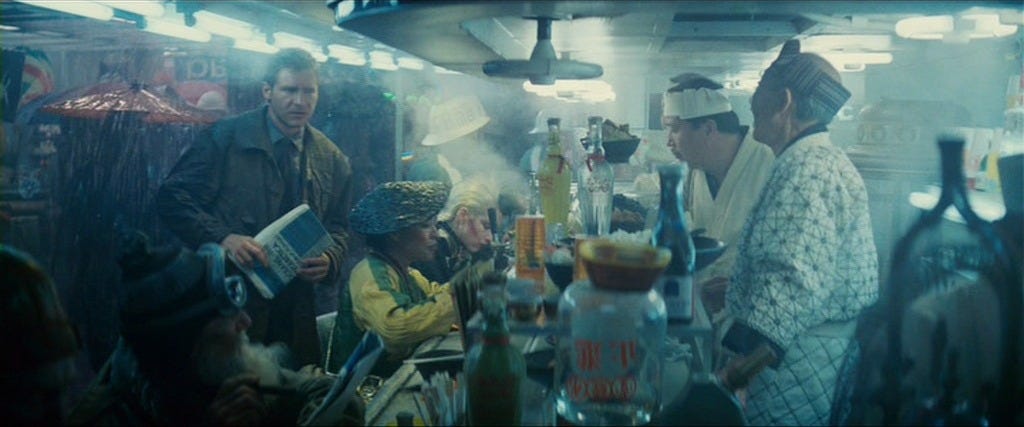
Asian aesthetics have always been intertwined with science fiction made by Western creators – from Blade Runner’s (1982) towering Geisha billboards and hawker aesthetics, to the Matrix (1999) where Japanese characters form its iconic green digital rain and Hong Kong-influenced kung fu choreography defines its action.
Here, Asian aesthetics are used as a sort of visual shorthand for futurity, dystopianism, and difference, often in sci-fi works that borrow heavily (and interchangeably) from Asian cultures but feature few (if any) Asian protagonists.
But where past works took their aesthetic inspiration from the neon-lit streets of Kowloon and Shinjuku, more recent ones have taken a lazier approach – borrowing not just the vibe of Asian cities but the cities themselves, wholesale.
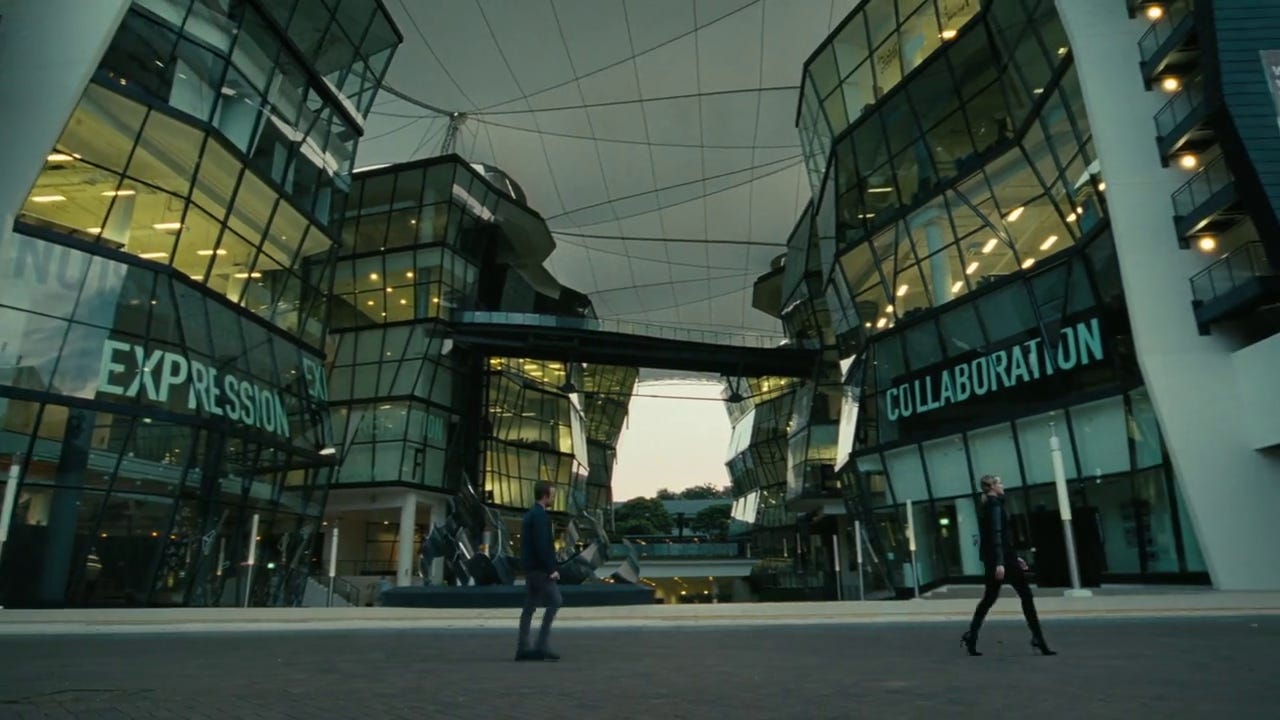
In the third season of sci-fi drama Westworld (2016-2022), when the synthetic hosts venture out of the titular park and into the human world, the show repurposes its Singapore filming location as the dystopian and AI-run “New Los Angeles” of the year 2058.
Key landmarks, like the National Gallery, Marina One, and the Lasalle College of the Arts, become futuristic banks, offices, and a hub for a menacing AI overlord. Signs reading “Expression” and “Collaboration” at Lasalle are given new and sinister meanings in this fictional dystopia.
The choice of filming location was apt because, in showrunner Jonathan Nolan’s words, America doesn’t spend as much on public infrastructure: “The experience of going to any major Asian city is always a little bewildering and humbling on that level.”
“It really does feel like you’ve gotten in a time machine and stepped forward 20, 30 years into the future. It’s the old William Gibson thing, right? The future is here. It’s just unevenly distributed,” says Nolan as part of an interview with Variety in 2020.
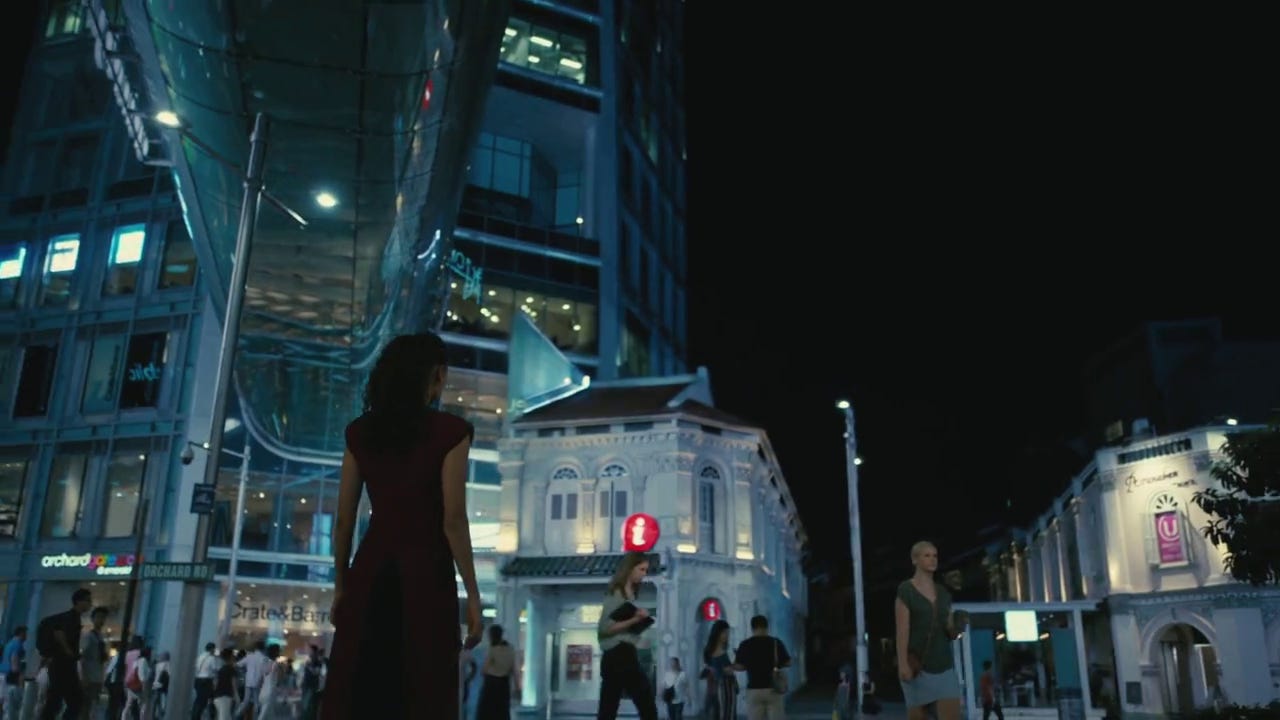
While real-world Singapore is mostly fictional Los Angeles in Westworld, a fictional Singapore does briefly appear too, in scenes where recognisable landmarks like Orchard Road and the Marina Bay Sands are presented unchanged from the present-day.
In these scenes, one of the protagonists has run-ins with Chinese-speaking thugs and the Japanese Yakuza after wandering through Singapore’s Chinatown. It’s really giving this, to be honest:
Westworld is far from alone in deploying modern-day Asia as a visual shorthand for futuristic Western dystopia.
Nolan says that Westworld’s showrunners were inspired by dystopian sci-fi romance film Her (2013), which repurposed Shanghai as a future Los Angeles – often with few changes beyond the addition of White extras. William Gibson, widely considered the father of the cyberpunk genre, described Tokyo in a 2001 essay for tech magazine Wired as his “handiest prop shop”, with its “nameless neon streets” and “sheer eye candy”.
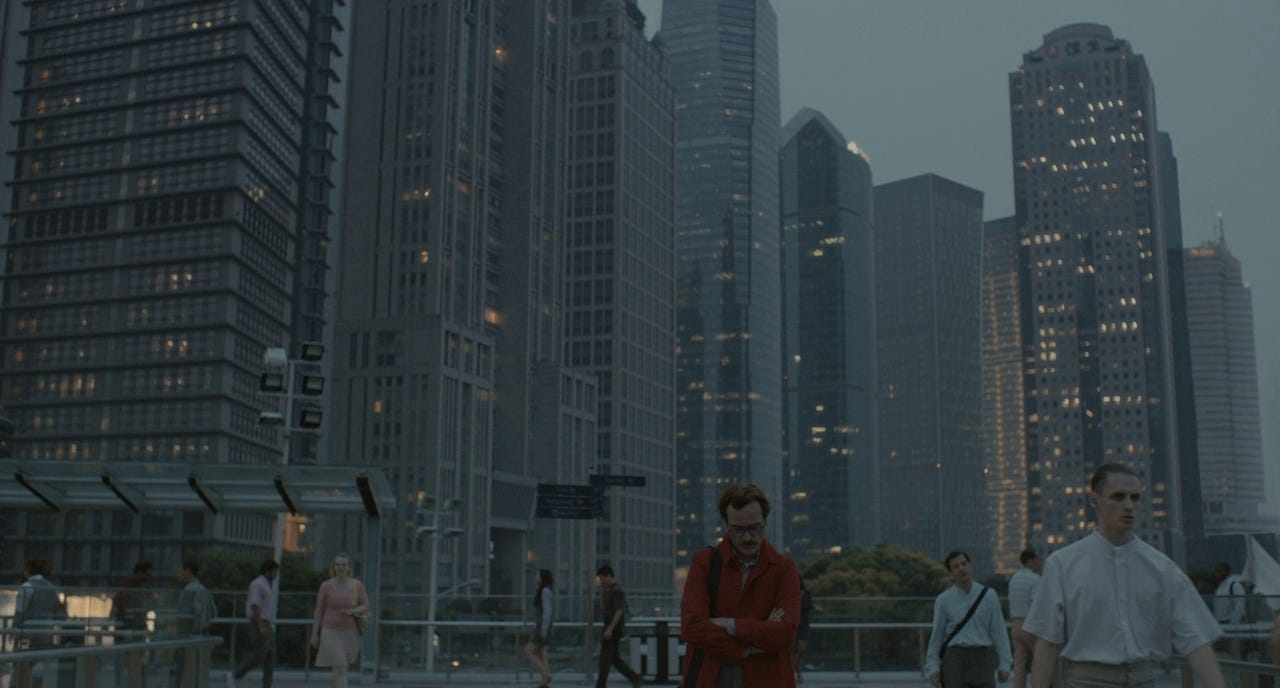
Here, techno-orientalism exists primarily as a way of using the foreignness and difference of Asia’s people and cities to describe the West. This uses a narrow set of signifiers: dense urbanity as an often-isolating and dystopian future; eastern religions as transcendental spiritualism; the aesthetics of Asian food and clothing as exotic otherness.
It is also something that makes for hollow representation, precisely because it centres the West rather than the cultures that inspired it. In his essay, Gibson himself attributes Japan’s rapid economic ascent to the “arrival of alien tech” (the arrival of the West in Japan) and to the US occupation after the dropping of the atomic bombs, glossing over all the other points that do not involve encounters with the West.
Sadly, such techno-orientalism is becoming more, rather than less, common in modern visual storytelling because of a variety of overlapping factors.
Globalisation has meant growing international interest in Asian narratives and settings, and Asia’s divergent arc of urban development makes it ripe for Western artists’ imaginations.
While Asian culture is being consumed at record levels in the West, this has not come with a proportionate increase in Asian representation either in front of or behind the lens.
A study by the USC Annenberg Inclusion Initiative finds that across the 100 top-grossing US films, only 8% had an Asian lead or co-lead actor, while the UCLA Hollywood Diversity Report finds that in the top 250 streaming scripted television programmes of 2024 in the US, 91.5% of writers and 80% of directors are white. Only 2.5% are Asian.
At the same time, countries like Thailand are also becoming major destinations for foreign film productions. Part of why Jurassic World: Rebirth (2025) and The Creator (2023) were among the hundreds of foreign productions taking place there in the 2020s is because of the Thai government’s creation of incentives to draw foreign film investment, like schemes offering up to 30% rebates on spending.
Techno-orientalism betrays a lack of care
Techno-orientalism, at its core, has always been about a lack of care when it comes to world and character making, in using signifiers of Asian worlds as visual shorthand rather than imagining them as lived realities. That all Asian worlds are often lumped together, despite the vast differences in culture between them, is one consequence.
One of the most illustrative examples of this comes from Hitman, a series of immersive murder simulator games often lauded for its meticulous, globe-trotting level design.
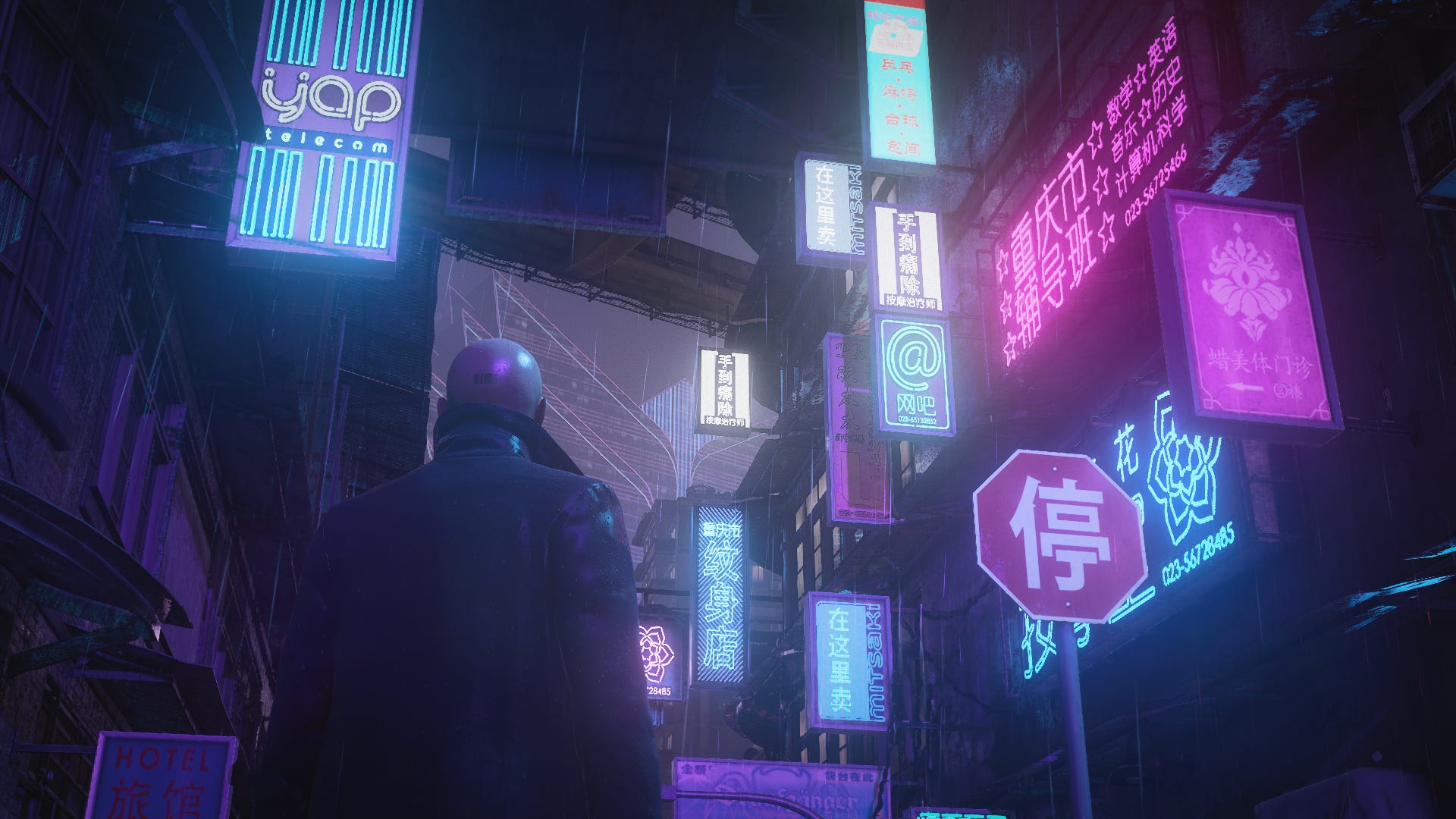
In Hitman 3 (2021), the city of Chongqing features as a dark, rain-slicked and cyberpunk-infused level. While visually striking at first glance, players going through it inevitably realise that the city’s neon and cyberpunk aesthetic is just the wallpaper you walk past on the way to the actual game.

Instead of level design that incorporates the city’s most distinctive features, such as its dramatic verticality, the bulk of the level involves exploring an underground lab complex that could literally be located anywhere in the world, with only the occasional Chinese script to denote its connection to its over-ground setting.
This is before one gets into its various oddities that reveal a reliance on tropes and stereotypes.
The skyline features the towering Grand Lisboa hotel from Macau, a city over a thousand kilometres away. One of the murder targets is from the fictional Asian country of Khandanyang (a thinly veiled North Korea), while the other is a white woman in a cheongsam. To my knowledge, Khandanyang is the game’s only fictional country.
One of the level’s key story beats is an antagonist experimenting on the brains of the poor and homeless. This is the most cyberpunk the Hitman series, which is set in present-day, ever gets – second only to the series’s foray into a high-tech Japanese clinic in Hokkaido in Hitman 2 (2018).
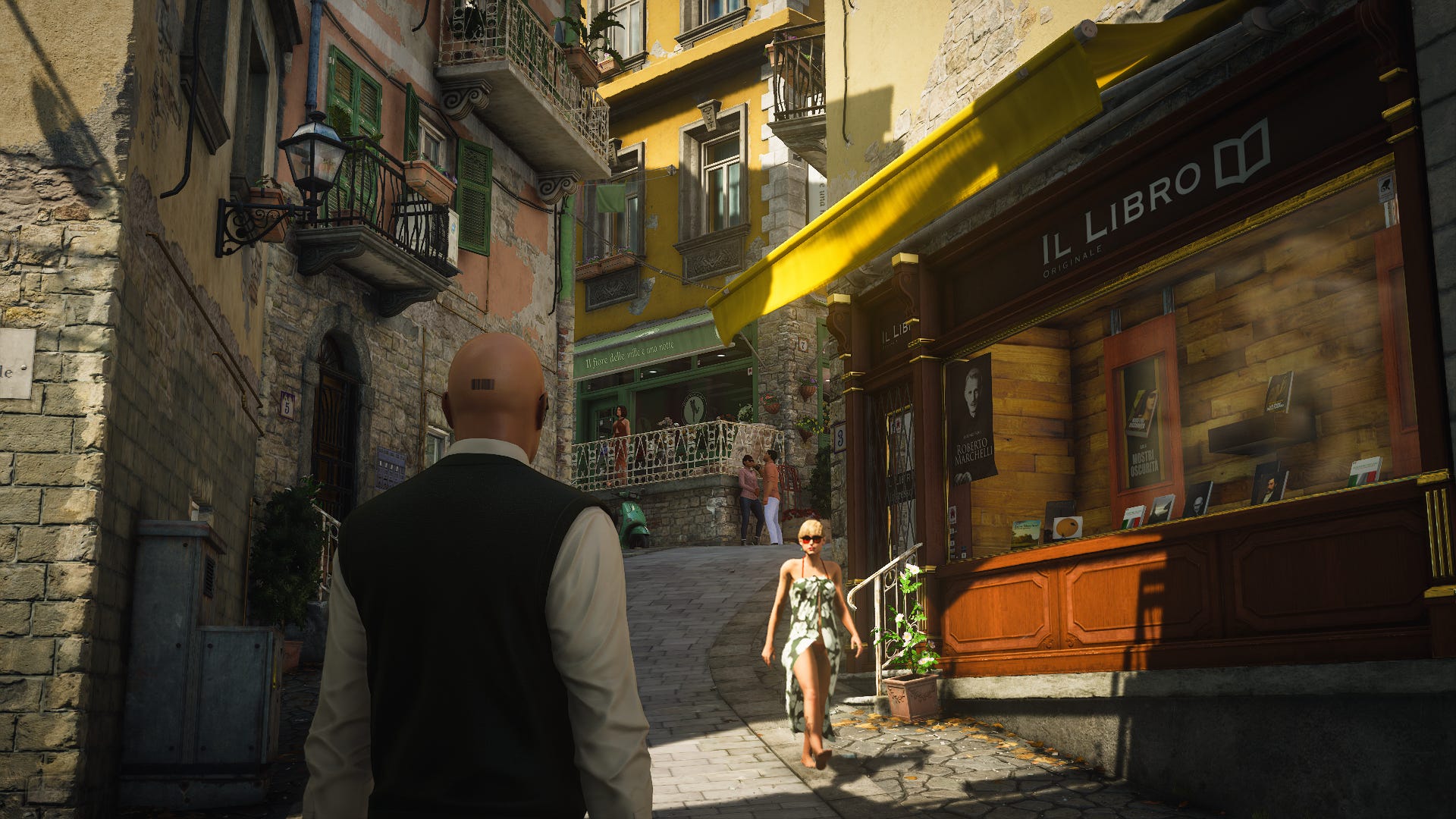
Compare this to the same series’s depiction of the fictional Italian town of Sapienza in Hitman (2016), modelled after the Amalfi Coast.
While Hitman’s Chongqing feels like a random collection of city blocks and Asian tropes atop an underground lab, Sapienza feels lived in – with all the shops and community amenities (a church, a town square) and winding streets that would define such a seaside town. The level is so lovingly crafted that one of its most common criticisms from players is that much of the level’s murder-based action does not sufficiently utilise its setting.
Sapienza’s buildings exist purely because the developers thought a fictional Italian town should feel real.
And much like the Chongqing level, Sapienza too features an underground lab that players visit while completing their mission, but this forms a small chunk of players’ experience rather than being the lion’s share of what they are expected to engage with.
This asymmetry is the architecture of techno-orientalism: Asian settings are aesthetics; Western settings are places with interiority.
New Asia and the flattening of Asian-ness
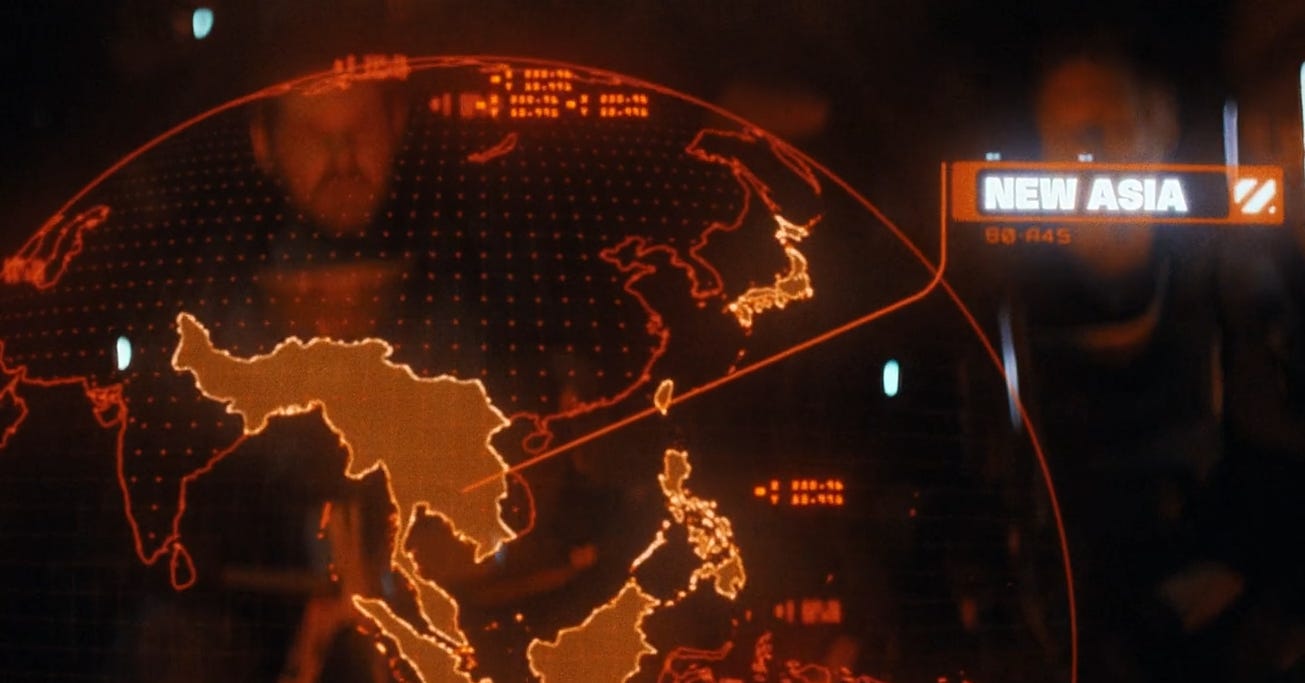
This lack of care is visible in every work that invokes Asian-ness as an aesthetic rather than as a lived reality, rendering Asian settings and cultures as a generic soup of Asian-ness without distinction or detail.
One recent work that takes this to a new level is 2023’s sci-fi blockbuster film The Creator, about an American soldier (played by John David Washington) trying to hunt down Nirmata (Hindi for creator) in a near-future world where human-AI conflict has left Los Angeles devastated by a nuclear bomb.
The Creator presents a world where “New Asia” – a polity that spans everything from Bangladesh to Southeast Asia to Japan – unites under a shared pro-simulant (AI) stance in defiance of US-led efforts to ban the technology. Nirmata is the genius responsible for New Asia’s AI innovations.
Here, “New Asia” becomes an efficient way of evoking all the stereotypes of Asian-ness: spirituality, technology, and foreignness. It also functionally explains why the show frequently deploys Japanese script in places inhabited by people who speak a mix of Thai, Vietnamese, Japanese, Malay, and, of course, English.
Beyond the brief presence of translation tech, the film does not want you to think too deeply about how New Asia’s people communicate with each other on a daily basis – or why exactly these disparate parts of Asia have a common and militant stance on technology beyond their Asian-ness.
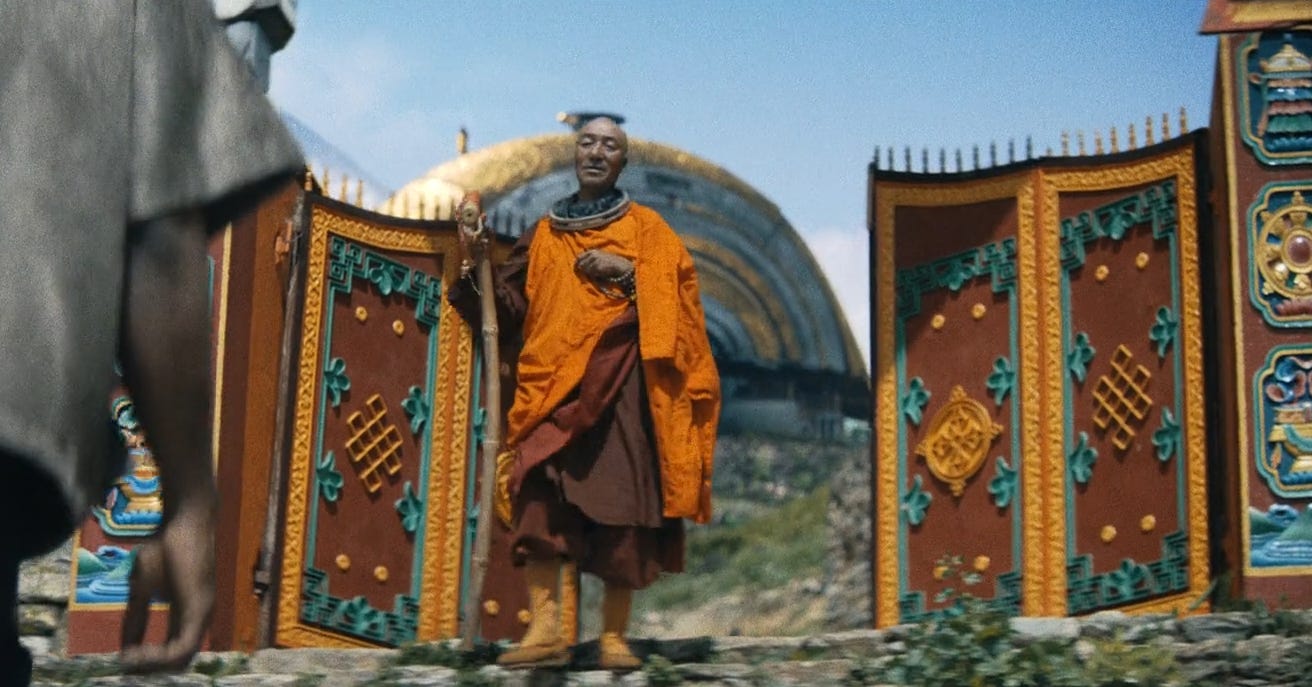
This film is intended to read as a sort of anti-imperialism critique against American military overreach, with simulants/AI clearly being an allegory for minority rights. The show’s primary antagonist uses an orbital space station as what is essentially a giant drone to strike down America’s enemies in the country’s quest to defeat Nirmata, often without regard for civilian loss of life.
And yet, this theme is rendered hollow by its impossible-to-ignore techno-orientalism, which renders all of the story’s Asian characters as minor characters with no agency, who exist only to be brutalised and to be made noble by their brutalisation.
The protagonist believes that American military adventurism in New Asia is righteous until it hurts someone he loves, and continues to express scepticism that simulants (often played by Asian actors) are “real” people. This is not exactly a compelling motivation for non-American viewers or anyone familiar with the outsiders as oppressed minority allegories (whether they be aliens, mutants, or AI) that have long defined sci-fi.
The film even features a limp “we are all connected” monologue where the protagonist experiences self-realisation while ascending to a mountainside temple to meet Nirmata (who is, spoilers, played by Gemma Chan).
In the lead-up to The Creator’s release, one scandal that dogged it is how its trailer appears to have repurposed real footage from the 2020 Beirut explosion in its fictional nuclear bomb over Los Angeles. While this footage did not end up in the final cut, possibly as a result of backlash, works like The Creator highlight how comfortable Western creators often are with treating non-Western bodies and aesthetics as fodder for orientalist narratives.
What Asian aesthetics are peripheral changes over time
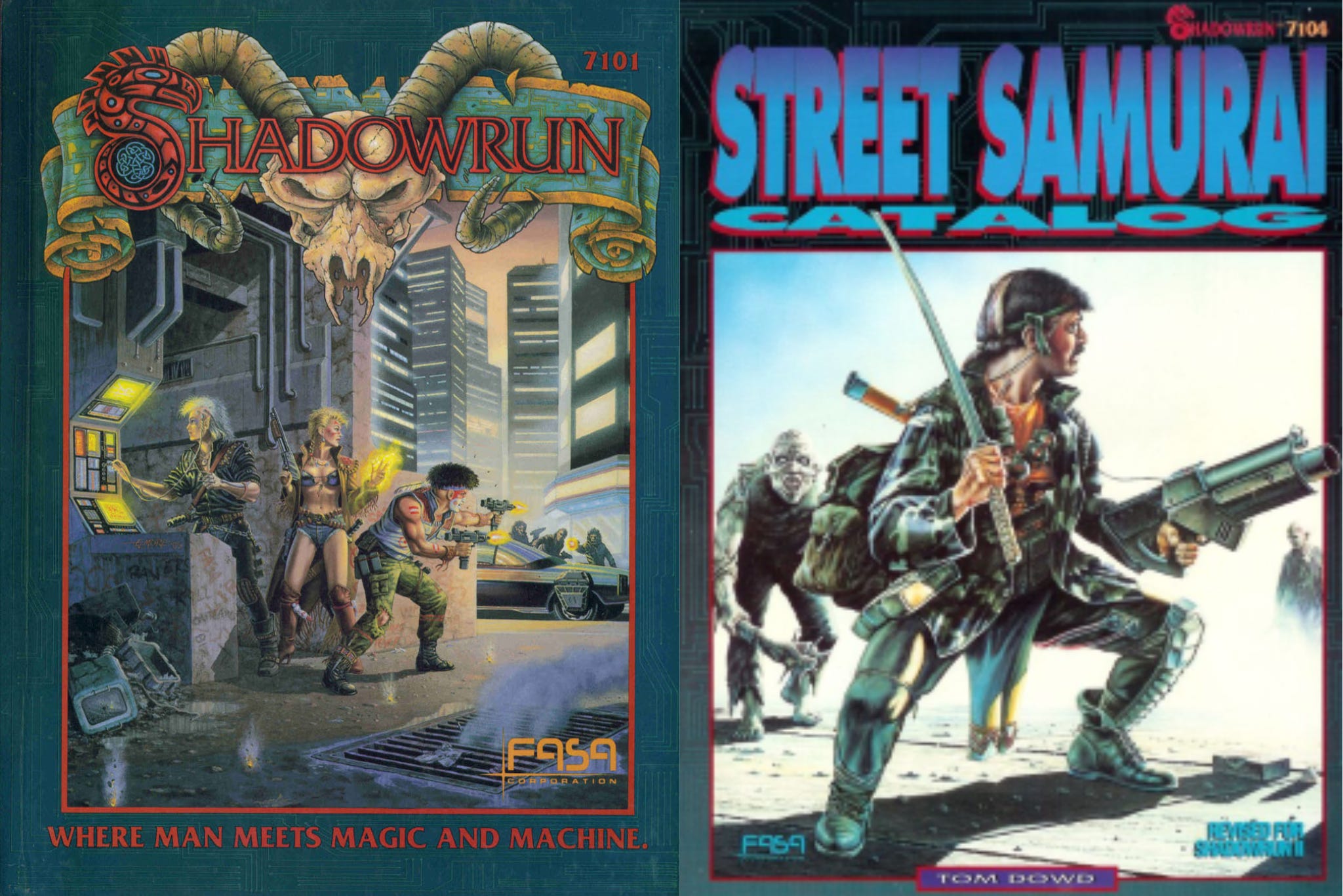
Growing up as a fan of science fiction has always meant having to contend with shifting gaps in representation as a fact, as what the techno-orient even is is itself a moving target.
Tabletop roleplaying game Shadowrun, first published in the late 1980s at the height of cyberpunk mania, imagined a near-future defined by the dominance of Japanese and Western megacorporations, serving as a playground for shadowrunners (thieves) embarking on heists against them.
After it became clear to the world that Japan was not going to achieve world dominance through economic means, later editions of the game released in subsequent decades – as well as its video game adaptations – shifted towards a more multipolar vision of the future.
This meant the introduction of Chinese and Russian megacorporations, many of which form part of the fictional Pacific Prosperity Group as a counterbalance against the dominance of the Japancorps. For those unaware, this is a uniquely tone-deaf name, considering the history of Japanese imperialism in the Pacific. (To be clear, the long list of cultural oddities in Shadowrun could be its own essay.)
Inescapably, all media is a product of the time – and power dynamics – from which it was born. The near-future always changes based on the actual-now, and often in real-time when it comes to franchises that span decades.
These worldbuilding choices, made before I was even born, continue to seep into the media we consume today, especially as new works continue to reference and adapt the foundational texts of their genre.
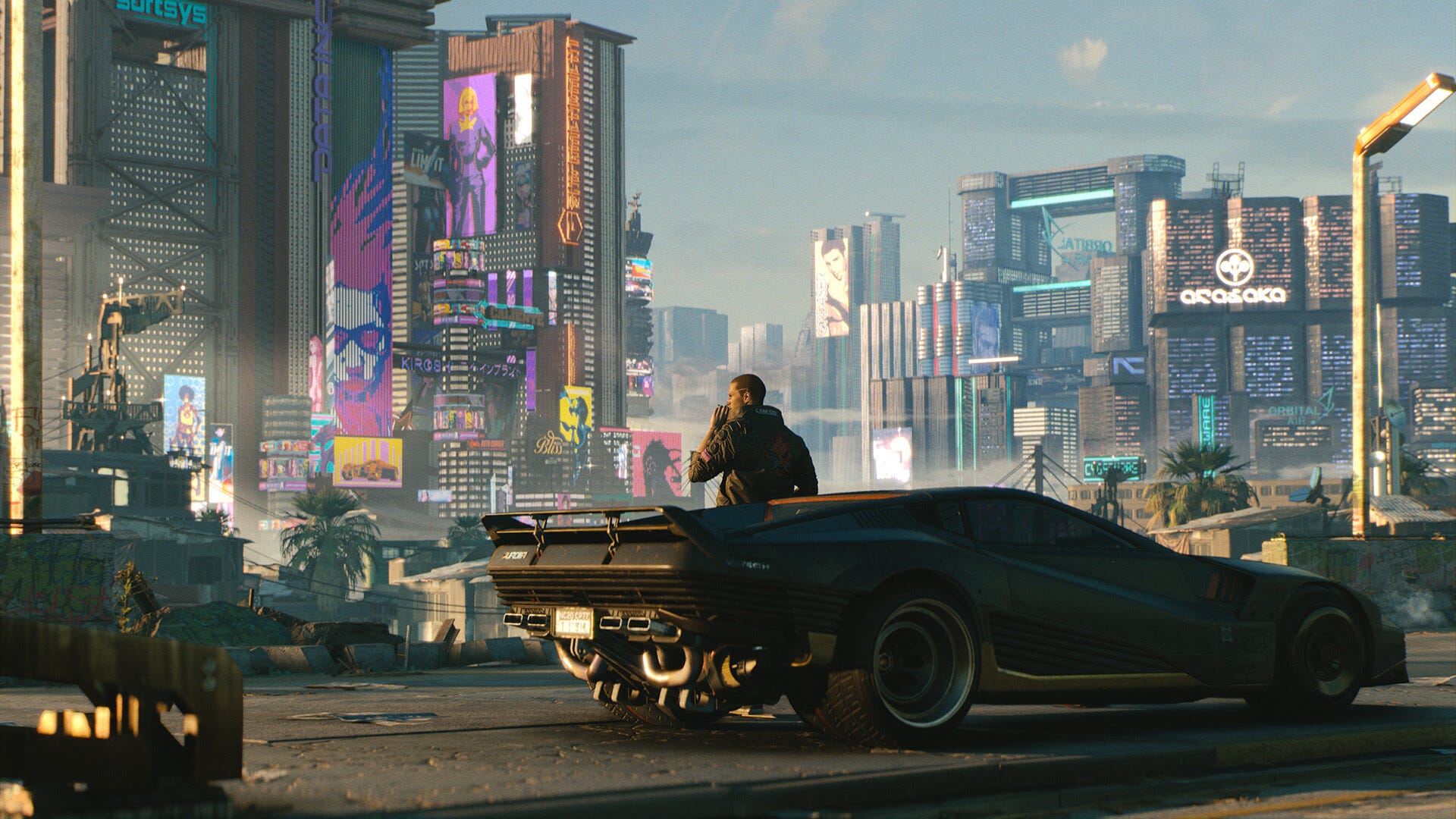
The action roleplaying video game Cyberpunk 2077, which was published in 2020 and is itself an adaptation of a tabletop game that was first released in 1988, features the villainous Arasaka Corporation as its primary antagonist, in a world where Europe and Japan are the primary superpowers.
With its source text being written at the height of global anxiety about Japanese economic dominance, Cyberpunk 2077’s setting of Night City is imagined as a California city immersed in Japanese culture. Would a Cyberpunk 2077 conceptualised today, without the baggage of this original text, feature as much ostentatious Japanese script, honour-obsessed villains, or elites in the pocket of a mysterious and foreign Japanese corporation?
Some of the most influential sci-fi works of my youth, like Firefly (2002) and The Expanse (2011-2022) , feel like responses to cyberpunk’s techno-orientalism, in that they represent attempts at recognising and reflecting the world’s diversity. But these too, as products of their time, have also found mixed success in imagining what multiculturalism actually looks like in practice.
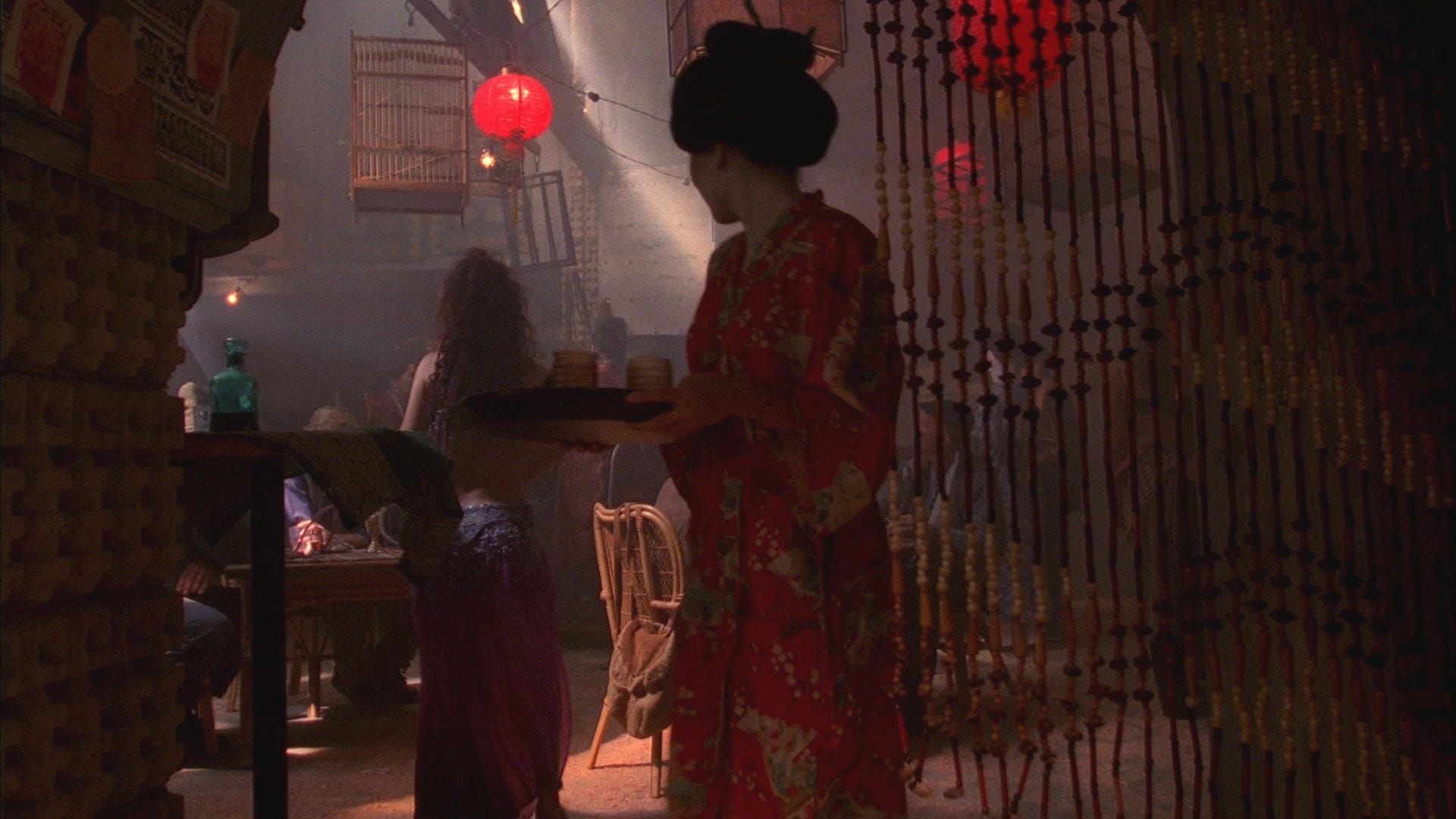
In a 2015 essay about Firefly, scholar Douglas Ishii notes that while its space Western setting is littered with Asian artifacts and cultural signifiers, it is also functionally depopulated of Asian people.
In Firefly’s 2517, Asian cultural symbols – Japanese and Chinese script, cultural dress – are associated with the oppressive Alliance, demarcating them as foreign, privileged, and technological. This is in contrast to the wild and independent frontier where the adventures of the ragtag crew of the spaceship Serenity play out.
Ishii’s essay is built around this observation from Mike Le, an Asian American media advocate who had previously asked showrunner Joss Whedon about the absence of Asian representation from the show:
“[I]t was clear that the notion of cultural integration was more important than the practice. That the grand vision of an Asian/American tomorrow was more important than the inclusion of Asian faces and voices today.”
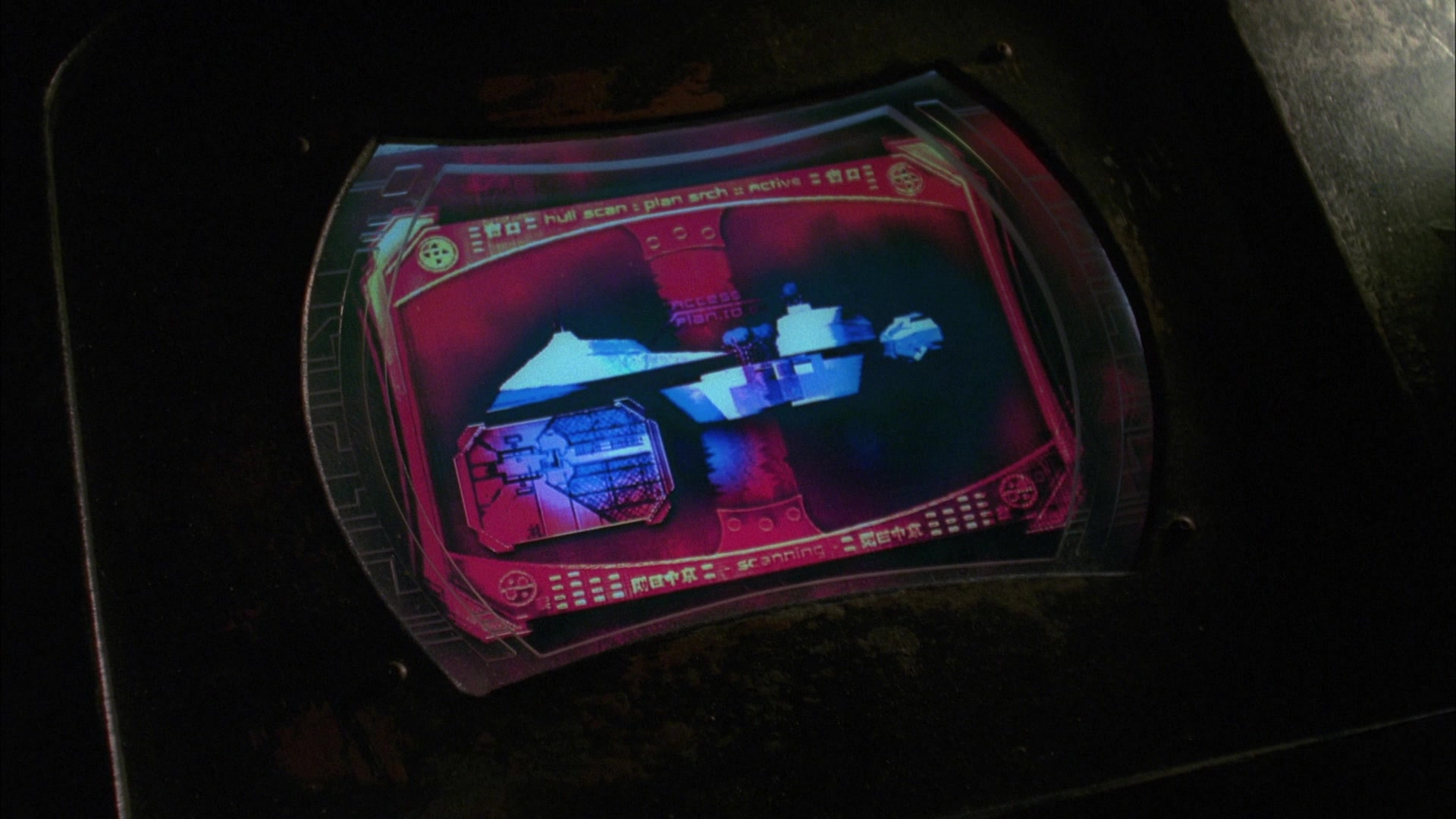
11 years after Firefly’s premiere, science fiction novel series The Expanse (later adapted into a TV series by Syfy and Amazon) imagines a spacefaring future where mankind is divided not along national or ethnic lines, but spatial ones – how far one exists from the sun in the solar system.
However, what sets The Expanse apart from Firefly is that rather than deploying Asian-ness as aesthetic in service to a multicultural future, it grounds its worldbuilding in questions of how existing cultures might form the seeds of future ones.
In the Expanse, Mars (which has become Earth’s primary rival for influence over the solar system) is imagined as a fusion of Chinese, Indian, and Texan influences, whose members speak in a drawl that incorporates influences from all of their languages. The embodied nature of these decisions is one of the things that makes The Expanse so distinctive as a sci-fi world.
Alien: Earth’s missed opportunities
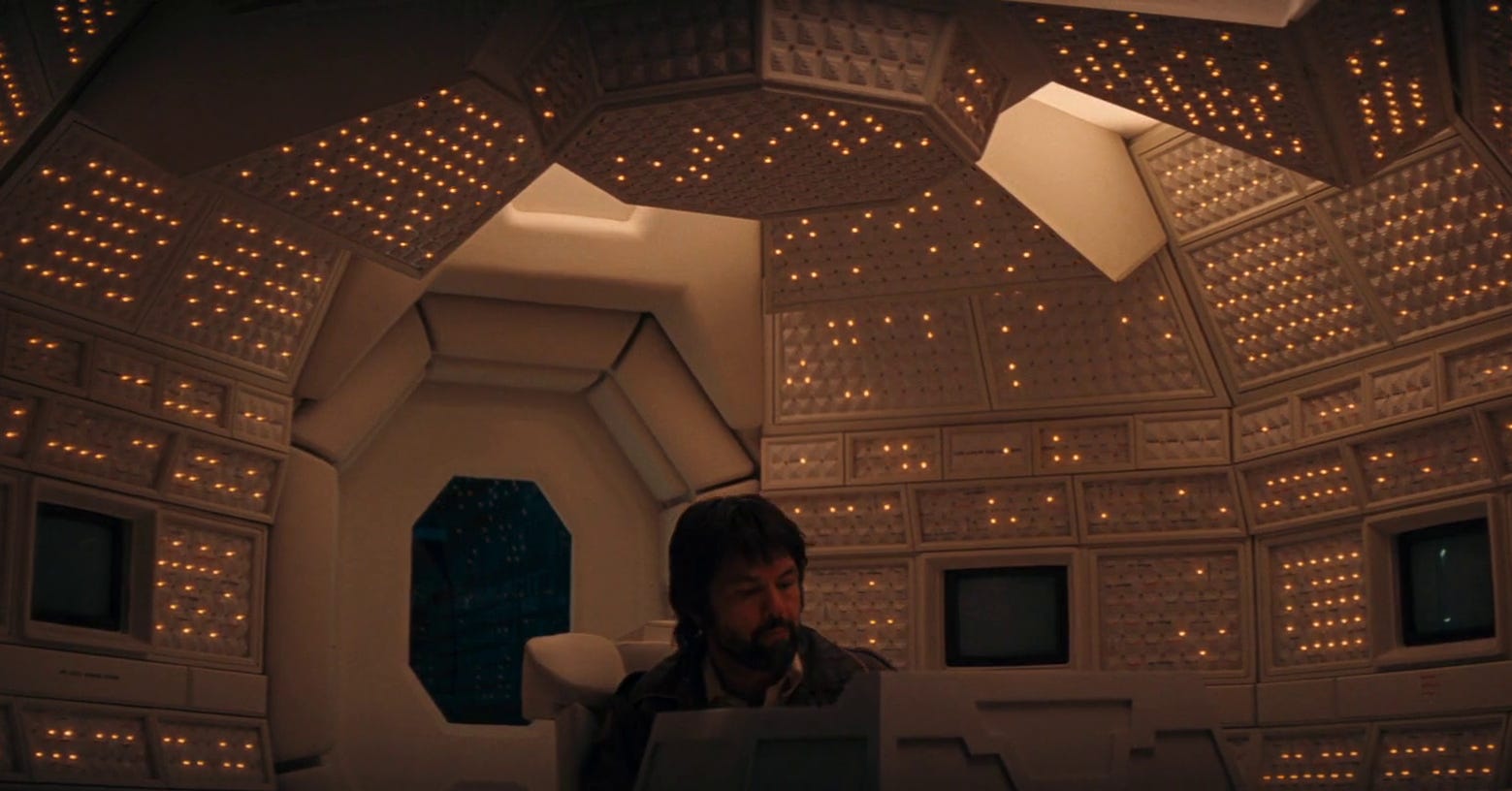
With Alien: Earth, an actual attempt at reimagining Bangkok as a megacorporation-ruled territory could have tread new ground, rather than doubling down on the franchise’s increasingly confused direction.
Director Ridley Scott’s initial film was genre-defining not only because of how its story subverted horror tropes of the time, but also because its worldbuilding was so rich and distinctive that other storytellers are still mining it for spin-offs and derivative creations in the decades after.
The original Alien film bears a rich iconography, from crew members communicating with Mother, the ship AI, by analogue keyboard to the coffin-like hypersleep pods. All of it is the result of imagining how unrestrained corporate greed might shape the lives of humanity’s future spacefarers. There’s a reason why subsequent works (and the sci-fi genre in general) have made these things enduring genre staples — and why the most highly-rated episode by viewers of Alien: Earth was the one that took viewers back to its spaceship setting.
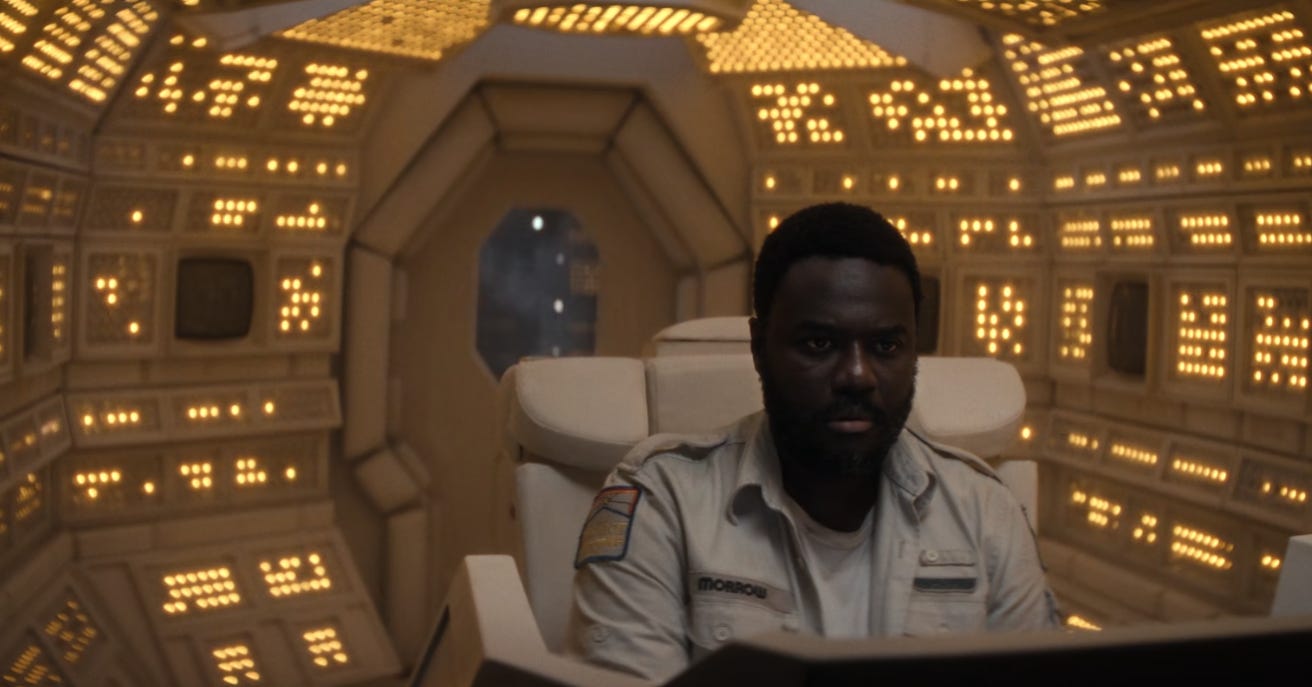
In contrast, every work since the original Alien trilogy has been dogged by criticisms over its thematic and aesthetic incoherence. Prequel film Prometheus (2012), for instance, deploys a sleek and clean visual language for its titular spaceship that is largely indistinguishable from other spacefaring sci-fi works.
In the same vein, Alien: Earth feels like a missed opportunity to ponder how dystopian corporate governance looks like on Earth, both visually and figuratively. And, what does it look like in a city like Bangkok, which is already one of the most hyper-capitalist in the world?
In one early sequence, the show features moneyed elites having a powdered wig costume party. Later, one of its antagonists makes a call from what appears to be a BDSM club. These feel like half-hearted gestures at Bangkok’s seedy underbelly that never quite stick the landing because of how placeless it all is.
One of the story’s central conflicts is the corporate espionage that plays out between the traditional Yutani (a character whose name has existed in the set design of the spaceship Nostromo from the very first Alien film in 1979) and the upstart Boy Kavalier (a new character created for the TV series).
Kavalier is richly illustrated as an Elon Musk-like figure, with a sense of morality that is entirely alien to our own. While we get a sense of why Kavalier wants the xenomorphs (to finally be able to communicate with an intellect that he believes surpasses his own), we never understand why Yutani wants the aliens beyond her belief that the aliens are rightfully hers.
As with many depictions of techno-orientalism, Yutani is all aesthetic and no interiority.
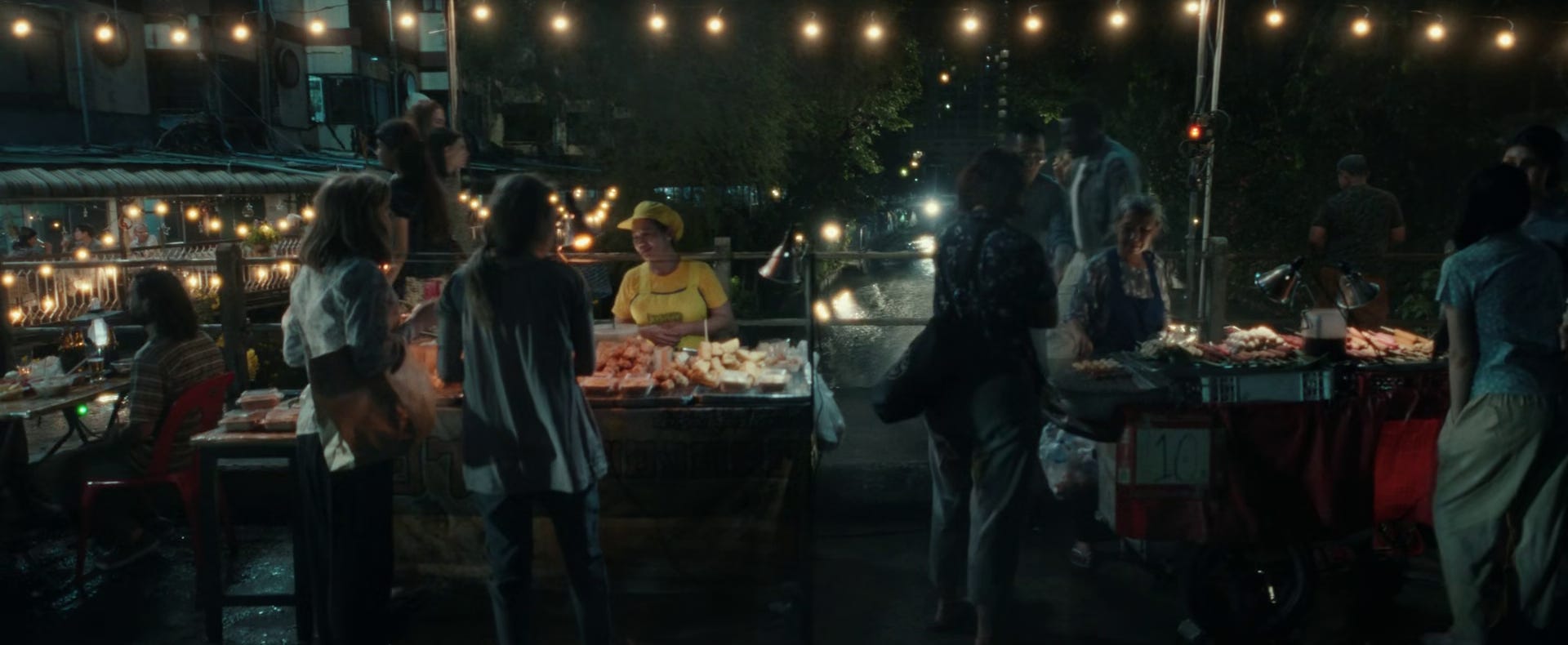
The show’s ambitious themes about humans seeing other sentient beings (like synthetics or xenomorphs) as little more than property to exploit are hard to take seriously, precisely because its worldbuilding feels so thin. Can a sci-fi work be biting social commentary if the exploitation it is concerned with feels so unrooted from place or culture?
One of Alien: Earth’s core character arcs follows its child protagonists as they transition into adult synthetic bodies, given new names pulled from Peter Pan and his lost boys that reflect their new status as marketable products for a corporation eager to sell them as a version of immortality.
This story arc’s climax emerges when these characters reject these names and their status as commodities, to reclaim who they really are underneath.
It’s a pity that the show doesn’t extend this same instinct to its own worldbuilding. Rather, it commodifies an inauthentic and at times stereotypical image of Asia to sell its vision of a future dystopia.
Those are some remarkable examples you’ve picked from gaming and entertainment that I have definitely interacted with. It’s a new perspective for me!